Roof Repairs Succasunna NJ: Small Repairs That Prevent Major Replacements
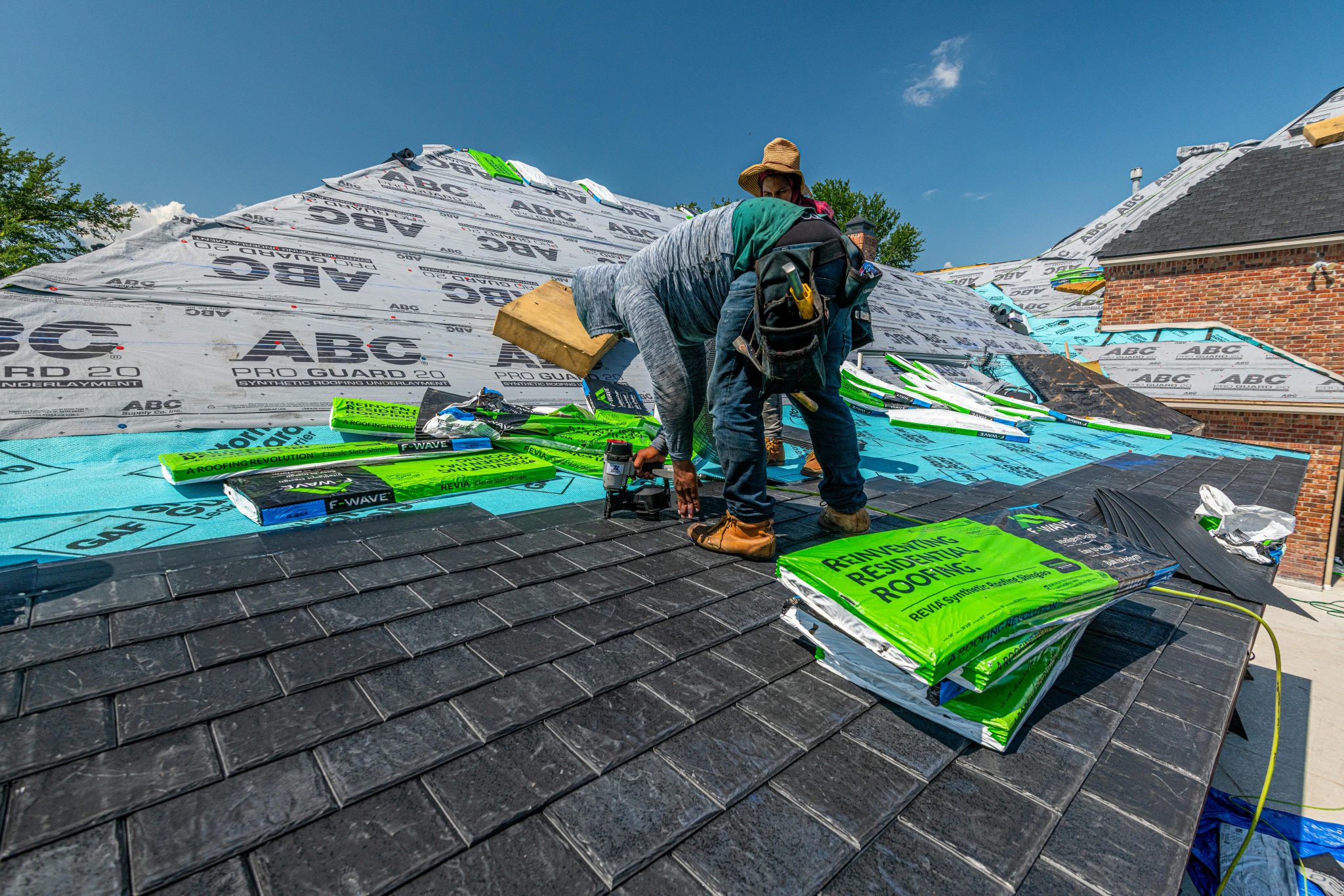

A roof rarely fails all at once. More often, it gives small warnings for months or even years. A lifted shingle after a winter windstorm. A faint water stain near an upstairs window. Granules collecting in the gutter. A bit of flashing that has pulled away from a chimney. None of these problems look dramatic when viewed in isolation, which is exactly why so many homeowners put them off.
In Succasunna, that delay can get expensive fast. Morris County roofs take a beating from freeze and thaw cycles, wet spring weather, summer heat, and the kind of winter snow load that exposes every weak point in the system. Homeowners often assume a roof replacement becomes necessary because of age alone. Age matters, but in practice, many early replacements happen because minor defects were allowed to spread. The roof did not simply get old. It stayed vulnerable too long.
That is where thoughtful, timely Roof Repairs make a real difference. Small repairs, done correctly and at the right time, can add meaningful life to an existing roof, protect the decking below, and prevent interior damage that is often more costly than the roofing work itself. For homeowners searching for Roof Repairs Succasunna NJ, the goal should not just be stopping an active leak. It should be catching the chain reaction before it starts.
Why minor roof issues rarely stay minor
Water is patient. It does not need a large opening to create a serious problem. A nail pop, a cracked pipe boot, or a tiny separation in flashing can allow moisture to enter in amounts too small to notice from inside the home. By the time a ceiling stain appears, the roof deck may already be soft, insulation may be damp, and framing could be starting to support mold growth.
I have seen homes where the visible damage was a yellow ring on a bedroom ceiling no larger than a dinner plate, but the actual repair involved replacing sections of rotted sheathing around a plumbing vent, drying the attic insulation, and addressing ventilation problems that made the situation worse. The roof itself needed a repair. The hidden layers needed rescue.
This is one reason experienced roofers tend to look beyond the obvious symptom. A missing shingle is rarely just a missing shingle. Why did it fail? Was it wind uplift from poor sealing? Was it brittle from age? Did ice damming loosen the surrounding area? Was the problem actually bad attic airflow causing premature wear? Good repair work answers those questions instead of simply patching the surface.
Succasunna weather is hard on roofs in specific ways
Local climate shapes repair priorities. In northern New Jersey, a roof is asked to perform in several different modes over the course of a year. In winter, it has to shed snow while resisting ice formation at eaves and valleys. In spring, it has to move water efficiently during long rains. In summer, dark shingles can reach very high surface temperatures, which stresses aging materials and accelerates expansion and contraction around penetrations. Fall introduces leaf buildup, clogged gutters, and trapped moisture.
That seasonal swing matters because many small repair needs start at roof transitions, not on the wide open field of shingles. Valleys, pipe boots, skylight curbs, step flashing, chimney flashing, ridge caps, and gutter edges all deal with concentrated water movement or repeated thermal stress. Those are the places where a careful inspection often finds the early signs of trouble.
Older homes in the area can add another wrinkle. Some have had multiple rounds of partial work done over time by different contractors. A repair from ten years ago may not integrate well with more recent shingles. Flashing details around masonry may have been improvised instead of rebuilt properly. When that happens, a homeowner can think they have a recurring leak in one spot https://troysenp628.theglensecret.com/roof-repairs-succasunna-nj-to-keep-your-home-dry-and-secure when the real issue is water being redirected from another part of the roof system.
The repairs that often save a roof from early replacement
Not every roof can or should be saved with repair work. If shingles are at the end of their service life across the entire surface, or if there is widespread deck failure, replacement may be the sensible path. But many roofs in the middle years can be preserved with targeted work. The key is identifying defects while the surrounding materials still have useful life left.
A common example is replacing damaged or missing shingles after wind exposure. If the surrounding shingles remain flexible and properly adhered, a localized repair can restore the roof’s water shedding ability and prevent underlayment exposure. The same goes for ridge cap damage. Once ridge caps loosen, wind can work under adjacent materials and create a much larger section of failure.
Flashing repairs are another major category. Chimneys are a classic problem area because they combine masonry, metal, roofing, and sealants, all of which age differently. A lot of leaks blamed on “bad shingles” are actually flashing issues around chimneys, dormers, or sidewalls. Reworking that flashing correctly can stop chronic leakage without disturbing large sections of an otherwise solid roof.
Pipe boots deserve attention too. On many asphalt shingle roofs, the rubber collars around vent pipes crack before the shingles themselves wear out. That is a relatively small repair, but if ignored, it can funnel water directly into the roof deck around the penetration. I have seen roofs with plenty of remaining life where the first interior leak came entirely from a failed pipe boot.
Then there is the less glamorous but equally important work at the gutter line. Drip edge issues, fascia rot, and poorly functioning gutters can allow water to back up at the roof edge. That creates staining, wood damage, and in winter, conditions that contribute to ice buildup. Homeowners sometimes focus on the field of the roof because it is visible from the ground, when the roof perimeter is actually where preventable deterioration is taking hold.
What homeowners usually notice first
Most people do not inspect their roof closely on a regular basis, so the first clues tend to be indirect. That is normal. The value lies in acting on those clues quickly instead of waiting for them to become obvious failures.
Here are five signs that often justify a professional roof inspection sooner rather than later:
- Water stains on ceilings, especially after wind driven rain or snow melt
- Shingle pieces or excessive granules collecting in gutters or on walkways
- Dark streaks, sagging, or soft spots visible from the yard
- Damp attic insulation, musty smells, or light visible where it should not be
- Flashing or sealant visibly separating around chimneys, vents, or skylights
Any one of those signs can point to a repairable issue. What matters is timing. If the underlying roof system is still fundamentally sound, prompt Roof Repairs can often solve the problem without escalating the scope.
The difference between a patch and a repair
Homeowners are right to be cautious here, because not all roofing work is equal. There is a real difference between a temporary patch and a durable repair.
A patch is usually a short term measure meant to stop active water intrusion. It may be the right decision after a storm or during a period of bad weather when full repair work has to wait. There is nothing wrong with a temporary fix if everyone understands its purpose. The problem comes when a temporary patch is treated like a finished repair and forgotten.
A proper repair restores the integrity of the roof assembly in that location. That may involve removing surrounding shingles to inspect the underlayment, replacing compromised flashing, fastening materials correctly, sealing exposed fasteners where appropriate, and making sure the new work ties into the old without creating a weak transition. It also means checking whether the visible issue caused damage below the surface.
This distinction matters because many disappointing repair experiences come from surface level work done too quickly. Roofing is simple to underestimate. From the ground, two jobs can look the same. Six months later, one is still performing and the other is leaking again.
Small repairs that deliver outsized value
Some of the highest value roofing work involves components homeowners barely think about. Replacing a few lifted shingles after a wind event may cost a fraction of what it would take to rebuild water damaged decking and insulation later. Reflashing a chimney can preserve the roof plane around it and prevent staining, mold, and trim damage inside the house. Sealing or replacing a failed vent boot can stop a leak long before it reaches living space.
There is also a compounding effect. Once moisture enters, it tends to weaken nearby materials and make future leaks easier. Wood sheathing loses strength. Nails can loosen. Insulation performs poorly when wet. Moisture trapped in an attic changes the temperature profile of the roof, which can contribute to uneven snow melt in winter. What began as a small point repair can become a system problem when left unattended.
That is why the phrase “small repair” can be misleading. The scope of work may be small, but the consequence of doing it on time is large.
When repair makes sense, and when replacement is the wiser call
A professional assessment should always weigh repairability against the remaining life of the roof. Not every roof deserves repeated small fixes. Sometimes homeowners spend good money chasing leaks on a roof that has already passed the point where repairs offer reasonable value.
Repair usually makes sense when the problem is localized, the shingles still have flexibility, granule loss is not excessive across the whole roof, and the deck appears sound. A roof in the middle of its expected life often falls into this category, especially if the issue came from storm damage or one aging penetration rather than broad wear.
Replacement becomes more attractive when failures are widespread, repairs are stacking up in different areas, or the shingles are brittle enough that working on one section damages another. If multiple roof planes show advanced wear, or if the attic reveals extensive moisture history, continuing to patch can cost more in the long run.
A good contractor will talk honestly about that trade off. Homeowners should be wary of anyone who pushes a full replacement without clearly showing why repairs are no longer practical. They should also be wary of anyone willing to “repair forever” when the roof has obvious end of life conditions. The right answer depends on the actual roof, not on a sales script.
Why attic conditions often determine whether repairs will last
One of the most overlooked parts of Roof Repairs is the attic. A repair can be done perfectly on the exterior and still underperform if attic ventilation or insulation issues are working against the roof.
Poor ventilation traps heat and moisture. In winter, warm attic air can contribute to snow melt high on the roof, while colder eaves remain frozen. That creates the classic setup for ice buildup and water backup. In summer, trapped heat can age shingles faster from below. Excess humidity can also condense on roof decking, leading homeowners to think they have a roof leak when part of the problem is actually interior moisture.
I have seen cases where a homeowner fixed the same area twice because the symptom was treated but the attic conditions were ignored. Once airflow improved and wet insulation was addressed, the roof repair finally performed the way it should have from the start.
This does not mean every roofing issue is a ventilation issue. It means durable diagnosis requires looking at the whole assembly.
After storms, speed matters, but so does restraint
Storm season creates urgency. A branch strike, wind lifted shingles, or hail concerns can push homeowners to act fast, and they should. Quick inspection after severe weather is smart. At the same time, storm damage is one area where hasty decisions lead to poor outcomes.
The first goal is to stop active water intrusion and document visible damage. The second is to determine whether the roof needs spot repair, partial restoration, or full replacement. Those are different paths. Wind may have affected only one slope. A fallen limb may require structural repair in a focused area rather than a complete reroof. Hail concerns may be cosmetic in some cases and functional in others.
For homeowners in need of Roof Repairs Succasunna NJ after a storm, calm assessment is worth a lot. The best outcome is not always the biggest project. It is the right scope, performed correctly, with attention to what was actually damaged.
Maintenance is not glamorous, but it protects the repair investment
Once a roof has been repaired, a little maintenance helps preserve that work. Most homeowners do not need a complex routine. They need consistency.
A practical roof care routine usually includes the following:
- Check the attic and ceilings after major storms or rapid snow melt
- Keep gutters and downspouts clear so water moves off the roof promptly
- Trim branches that rub shingles or drop heavy debris into valleys
- Schedule inspections when the roof is aging or after visible weather events
- Address small exterior defects before the next hard season arrives
These habits are simple, but they have a direct effect on how long repairs hold and how soon new issues are discovered.
The hidden cost of waiting one more season
Many homeowners delay Roof Repairs because the leak seems intermittent. It only shows up during wind driven rain. It only stains in late winter. It dried out after the last storm. That pattern creates false confidence.
Intermittent leaks are often the most deceptive because they suggest the problem is minor or “not active.” In reality, they usually indicate a defect that opens under certain conditions, which means the roof is still vulnerable every time those conditions return. One more freeze thaw cycle, one more backed up gutter, one more heavy rain, and the damage expands.
Financially, the difference can be stark. A repair involving a limited section of shingles and flashing may stay in the hundreds or low thousands depending on complexity, access, and materials. Once interior drywall, insulation, trim, painting, or deck replacement enters the picture, the total rises quickly. If moisture sits long enough to trigger mold concerns or affect flooring and furnishings, the roof becomes only part of the bill.
That is why seasoned homeowners often treat roof maintenance the way they treat plumbing leaks. If water is involved, delay is rarely cheaper.
Choosing a roofer for repair work, not just big installs
Repair work calls for a slightly different skill set than replacement work. Full replacements are about coordination, production, and system installation. Repairs require diagnosis, restraint, and detail work. A contractor who excels at one may not approach the other with the same care.
When discussing a repair, pay attention to how the problem is explained. Does the roofer describe the likely water path, the condition of surrounding materials, and what will be opened up if hidden damage is found? Do they talk about matching materials as closely as possible and about the limitations if the existing roof is older? Are they distinguishing between a temporary emergency fix and a permanent repair?
Clear communication is usually a good sign. So is a willingness to say, “This section can be repaired, but this other section is nearing the end.” Roofing decisions are rarely all or nothing. The best contractors understand that and help homeowners make proportionate choices.
A roof lasts longer when small problems are taken seriously
There is a practical truth behind most durable roofs. They are not always the newest roofs or the most expensive roofs. Often, they are the roofs that received attention before neglect had a chance to compound.
That is especially true in places like Succasunna, where the weather tests every seam, edge, and penetration over time. Small failures are part of roof ownership. They do not automatically mean the whole roof is done. But they do need to be respected. Prompt, well executed Roof Repairs protect far more than shingles. They protect the deck, the attic, the finishes below, and the investment homeowners thought they were making when the roof was installed in the first place.
For anyone weighing Roof Repairs Succasunna NJ, the smartest question is not “Can I wait until it gets worse?” It is “Can a focused repair today keep me from replacing this roof before I need to?” Very often, the answer is yes.
Royalty Exteriors
Address: 151 NJ-10 Ste 103A, Succasunna, NJ 07876
Phone number: +19733337234
FAQ About Roof Repairs Succasunna NJ
How much should I pay for roof repairs?
Most homeowners pay an average of $900 to $1,200 for roof repairs, with typical projects ranging from $150 to $3,000+ depending on the severity of the damage.
What are the most common roof repairs?
The most common roof repair is fixing water leaks by replacing damaged, cracked, or missing asphalt shingles and sealing compromised flashing.
Does homeowners insurance pay for roof repairs?
Homeowners insurance pays for roof repairs only if the damage is sudden and accidental, such as from a storm, hail, or a falling tree.